
Not every water heater problem is an emergency, but the ones that are tend to get worse by the minute. The most common one is a ruptured tank. Because the cold inlet keeps feeding a failed tank, the leak does not end when the heater is empty; it often keeps running until someone closes a valve, soaking subfloors, carpet, and ceilings below. Other urgent signs include a relief valve that is releasing water again and again, which means the tank is running too hot or at too much pressure, a sudden jump to scalding water at the tap, and a rotten-egg odor near a gas unit. For households in Temple, TX, any of these is worth a call right now rather than a wait-and-see approach.
Here is the order that keeps people safe. First, gas. If there is any smell of gas, get everyone out, leave switches, outlets, and appliances alone, and call the gas utility or 911 once you are outside; the heater can wait until the utility says the home is safe. Second, water. Turn the cold-water valve above the heater clockwise until it stops, or close the home's main shutoff if that valve will not budge. Then the heat source. Set a gas control to OFF, or kill the breaker on an electric model, but only if you can reach the panel without standing in water. A relief valve that is releasing water must never be blocked. With the heater isolated, call (254) 223-6745 and describe what you see.
Our part of the job begins the moment you call (254) 223-6745. Whoever answers walks you through isolating the heater, confirms the leak has actually stopped, and gives you a realistic window for a technician instead of a guess. Once we arrive, safety checks come first: water, gas or power, and venting. Then we diagnose. A failed relief valve, a leaking drain valve, a corroded supply fitting, or a burned-out element can usually be replaced the same visit because those parts ride on the truck. If the tank has rusted through, no repair will hold, and you will hear that from us directly before walking through replacement choices. Homeowners across Temple call us for exactly these moments.
Our most requested service is Water Heater Repair in Temple. Either is a good place to start.
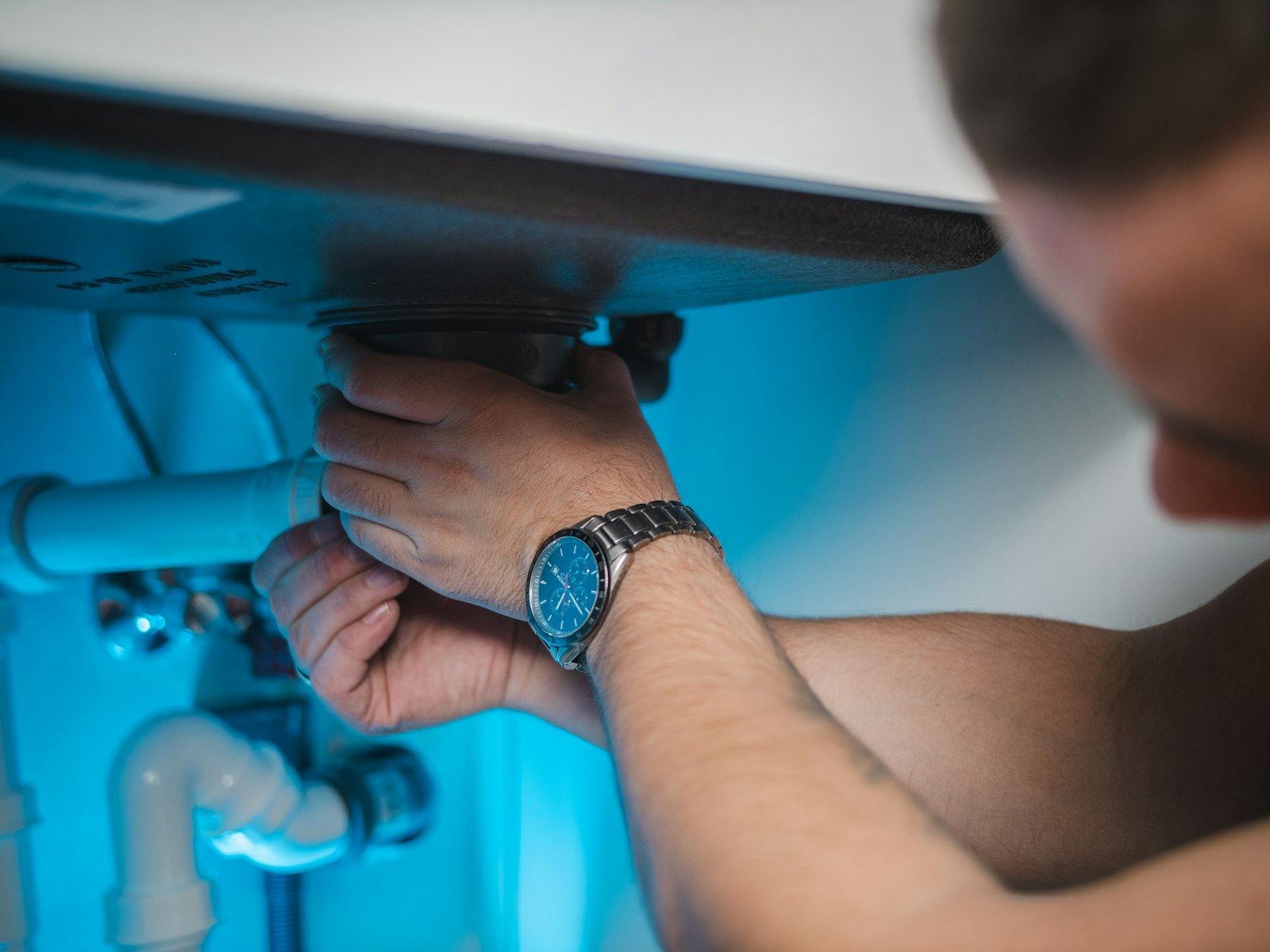
When to Call for Emergency Water Heater Repair
Recognizing the warning signs early can save you money and keep a slow drip from turning into a flooded utility room. Keep an eye out for the following:
- A heater breaker that will not stay on after being reset
- A complete loss of hot water throughout the house
- Any gas odor around the heater, which means getting out and calling the gas company before calling us
- Standing water around the water heater that returns after you wipe it up
- The relief valve on the side of the tank dripping, hissing, or discharging
- Black soot or heat discoloration around the burner door or draft hood
- Hot water far hotter than normal, a sign of a runaway thermostat or gas control
- Violent rumbling or banging from the heater as it runs
Small Symptoms, Big Consequences
Most water heater failures start small: a popping sound from sediment, a damp spot under the drain valve, or a shower that goes lukewarm a few minutes sooner each week. If you notice any of these signs, contact Temple Water Heater at (254) 223-6745 for a prompt inspection.
Water Heater Trouble? Call Us.
We'll diagnose the problem and give you a straight answer on the fix.
Get Help: (254) 223-6745Emergency Water Heater Repair FAQ
What a Trained Technician Brings to the Job
A water heater emergency packs several hazards into one closet or garage corner. There is water on the floor near a 240-volt circuit on electric models, or near a gas valve, burner, and flue on gas models. There is a tank holding water at high temperature and household pressure. And there is a safety valve that, if it is discharging, has a reason for it. Homeowners sometimes try to stop the relief valve by capping it, crank on a leaking fitting until it snaps, or relight a pilot beside a gas smell, and each of those can turn a bad afternoon into a real disaster. The safest moves for a homeowner are the simple ones: leave for gas, then shut off water and energy, then call for help.
Professional help is not just about having wrenches. It is about knowing why the failure happened so it does not happen again next month. When a relief valve discharges, we measure static water pressure and look for a missing or failed expansion tank. When a tank floods the floor, we locate the true source, whether it is the valve, a fitting, a connector, or the tank wall. When a gas heater dies, we check the thermocouple or flame sensor, gas pressure, and venting before restarting it. The diagnosis determines everything that follows. Components can be replaced the same visit; a failed tank cannot be patched, and you hear that straight and explain the replacement path.
Step by Step: How a Visit Works
Every visit follows a step-by-step method built around testing first and replacing parts only when the readings call for it. Here's the short version:
Safety Call & Shutoff Guidance
On the call, we check for any gas odor first, then guide you to the cold-water valve and the heater's gas control or breaker so the damage stops growing while help is on the way.
Dispatch & Site Safety
A technician heads out as quickly as the schedule allows, with an honest arrival window. On site we verify water, fuel, power, and venting are safe before any diagnosis begins.
Find the Failure, Fix It
The source gets pinpointed before any part is replaced. Relief valves, drain valves, connectors, thermocouples, and elements travel with us, so most fixes happen during the first trip.
Restart & Verification
Before we leave, the tank is refilled and bled of air, the burner or elements are brought back online, and we confirm dry connections, a working relief valve, and a safe 120F setting.
Not Sure What You Need?
Call Temple Water Heater to talk through your situation with an experienced technician.
Call (254) 223-6745 TodayWater Heater Care Tips From Our Technicians
Most of the failures we see could have been delayed for years with basic upkeep. Follow these tips from our technicians:
- Lift the relief valve lever once a year to confirm it opens and reseats, and call if it keeps dripping
- Flush sediment from the tank yearly, since buildup overheats the bottom and speeds corrosion
- A 120F setting is safer for skin and easier on the heater than the hottest setting
- A simple water sensor on the floor beside the tank can warn you hours earlier
- Keep boxes, paint, gasoline, and cleaning products well away from a gas water heater
- Put the heater in a drain pan piped to a floor drain or the exterior where the setup allows
- Tag the water heater supply valve and the main shutoff so nobody has to search during a leak
Should You DIY or Call a Pro?
The line between a safe DIY check and a risky repair is usually the moment you need to open a gas fitting, a vent connection, or an electrical cover. Consider the following comparison:
| Factor | DIY Attempt | Hiring a Pro |
|---|---|---|
| Gas Safety | Tempted to relight or poke around | Gas utility first, then tested with proper tools |
| Water Control | Unsure which valve to close | Supply isolated fast, stuck valves handled safely |
| T&P Discharge | Valve ignored or blocked off | Pressure and expansion checked, valve replaced if worn |
| Electrical Hazard | Resetting breakers while the floor is wet | Circuit verified dead before any work |
| Diagnosis | Replacing parts until the leak stops | Exact source traced before parts are swapped |
| Result | Fix that may not hold overnight | Safe restart, verified dry and working |
Talk to Our Emergency Water Heater Repair Team
Don't let a failing water heater get worse. Call Temple Water Heater now for prompt, professional service.
Call (254) 223-6745 TodayCommunities We Cover
Wherever you are in the area, the same experienced team shows up with the same parts and the same pricing. Find your community below.